
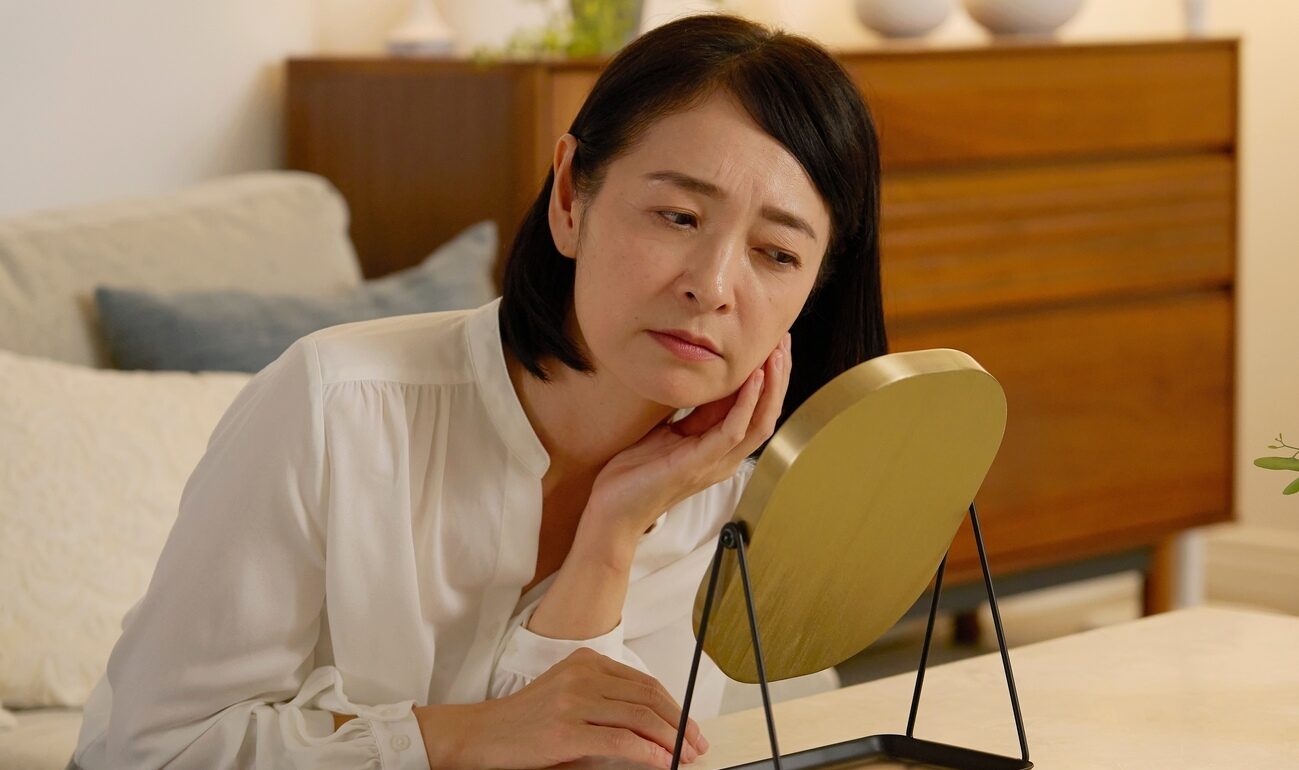
If your jawline looks softer than it used to, or your neck seems less defined in photos, you may be wondering what causes sagging skin and whether anything can be done about it. The short answer is that several changes happen beneath the surface over time, and some of them can be improved with treatment. This guide breaks down the main causes, explains how they affect your skin’s structure, and helps you understand when non-surgical skin tightening is a realistic option.
Firm, smooth skin depends on a strong support structure in the dermis, the layer just beneath the surface. Three components do most of the work:
Beneath the dermis, fat pads and facial muscles add volume and support. When any of these layers change, the skin sitting on top of them can begin to loosen and droop.
In most cases, what causes sagging skin isn’t one single factor but several working together over the years. Some are out of your control, like genetics and age. Others, like sun exposure and smoking, can be managed.
The most common contributors include:
Each of these affects your skin in a slightly different way, which is why sagging can look different from one person to the next.
Starting in early adulthood, your body gradually produces less collagen and elastin. The fibers that remain become thinner, weaker, and less organized. At the same time, skin cell turnover slows, and the fat pads in the face begin to shrink and shift downward.
These changes happen slowly, so most people don’t notice them until their thirties or forties. Common early areas include the:
Sun exposure is one of the biggest drivers of early sagging. According to the National Institute on Aging, ultraviolet light from the sun damages the elastin fibers in skin over the years, and as those fibers break down, skin begins to sag, stretch, and lose its ability to return to place after stretching.
This type of damage builds up over decades, which is why the face, neck, chest, and hands often show laxity earlier than areas usually covered by clothing. Daily sunscreen and protective habits won’t reverse existing damage, but they can help slow further breakdown.
Hormones play a major role in skin quality, especially for women. Estrogen supports collagen production, skin thickness, and moisture levels. When estrogen drops during perimenopause and menopause, skin can lose firmness surprisingly quickly.
According to a review published in Dermato-Endocrinology, skin collagen can decrease by about 30 percent in the first five years after menopause. This helps explain why many women notice a sudden change in their skin’s firmness in their late forties and fifties.
If you’re experiencing other menopause symptoms alongside skin changes, you can learn more about hormone replacement therapy for women and whether it may be right for you.
When you gain weight, your skin stretches to make room. After weight loss, especially when it’s significant or rapid, the skin may not have enough elasticity left to shrink back fully. Repeated weight fluctuation can make this worse over time.
Common areas affected by weight-related laxity include the abdomen, upper arms, thighs, neck, and lower face. If this sounds familiar, our guide to skin tightening after weight loss covers timing, candidacy, and what to expect in more detail.
Everyday habits can speed up how quickly skin loses firmness. Factors that may contribute include:
Improving these habits supports overall skin health, though it usually can’t undo sagging that has already developed.
For many people, yes. Understanding what causes sagging skin helps set realistic expectations, because most causes share one common thread: a loss of collagen and elastin. Non-surgical skin tightening works by stimulating your body to rebuild that support structure.
At Infinity Wellness, Luxora skin tightening combines two radiofrequency technologies:
Results build gradually over several weeks to months as new collagen forms. You can learn more about how this approach fits different concerns on our sagging skin treatment page.
It helps to match the treatment to what causes sagging skin in your specific case. Skin tightening is well suited for some concerns and less effective for others.
Skin tightening can help with:
Skin tightening may not be enough for:
A licensed medical provider can assess your skin and recommend whether skin tightening alone, a combination approach, or a referral for surgical options makes the most sense.
Collagen decline starts in early adulthood, but most people notice visible sagging in their thirties or forties. Sun exposure, genetics, and lifestyle can shift that timeline earlier or later.
Not exactly. Wrinkles are lines and creases in the skin's surface, while sagging refers to skin losing its firmness and drooping. The two often appear together, but they can call for different treatments.
You can't stop natural aging, but daily sunscreen, avoiding smoking, keeping a stable weight, and good sleep habits can help slow the process.
Staying hydrated supports healthy-looking skin, but it won't rebuild the collagen and elastin needed to reverse sagging.
Some topical products may improve texture and hydration, but they generally can't reach the deeper layers where sagging begins.
Knowing what causes sagging skin is the first step toward choosing the right treatment. Aging, sun damage, hormones, weight changes, and lifestyle habits all weaken the collagen and elastin that keep skin firm. For mild to moderate laxity, non-surgical skin tightening can rebuild that support gradually with little downtime. For more advanced sagging, a licensed medical provider can help you explore other options.
Whether your skin has started to loosen from aging, sun exposure, hormonal changes, or weight loss, a consultation can help you understand what’s driving the change and which treatment fits your goals. Learn more about skin tightening in Brunswick, OH or book your consultation with Infinity Wellness today.
This content is for educational purposes only and is not a substitute for medical advice. Please consult a licensed medical provider to determine whether treatment is right for you.
A space for feeling and looking your best, inside and out. From weight loss to hormone balance, we blend wellness and aesthetics with a personal touch, right here in Brunswick, Ohio.
© 2026 Infinity Wellness LLC. All rights reserved.
Website Designed by IL Webdesign
All imagery displayed on this website, whether licensed from stock photography providers such as Shutterstock or generated using artificial intelligence, is used strictly for illustrative and educational purposes. Such images are intended solely to visually represent the subject matter described in the accompanying titles and/or descriptions. They do not, in any way, depict actual clients, patients, providers, employees, or other real individuals unless expressly stated otherwise. Any resemblance to a real person is purely coincidental, and no endorsement, testimonial, or representation of services is stated or implied by the use of such imagery.
This site is protected by reCAPTCHA and the Google Privacy Policy and Terms of Service apply.